

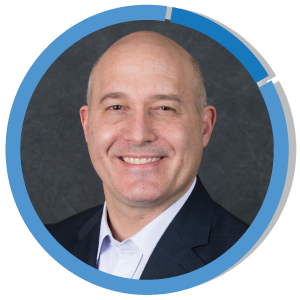
Featuring: Michael Beloff
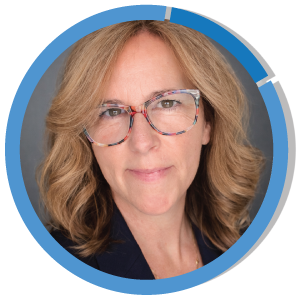
Hosted by: Wendy Fournier
The livestream will start July 9th shortly after 7:00 PM ET below.
A live Q&A will follow the presentation.
If you are having trouble, refresh the page and push the play button.
Other Ways To Watch
This workshop presented by Michael Beloff is designed to help special needs families reach a greater understanding of some of the different government benefits available. These benefits are discussed in detail in clear, concise language, including how to qualify for, and the differences between, Supplemental Security Income (SSI), Medicaid, Supplemental Nutrition Assistance Program (SNAP), Social Security Disability Income (SSDI) and Medicare
Michael Beloff, CFP®, ChSNC®, CAP®, ChFC®, RICP®
Michael has over twenty years of financial services experience, enabling him to look at the complex issues facing families and small businesses from different perspectives to create strategies and tactics personalized for their specific opportunities, issues, needs, and goals.
In addition to earning the Certified Financial Planner™ certification, Michael is a Chartered Advisor in Philanthropy (CAP®) and a Retirement Income Certified Professional (RICP®).
Inspired by his son with Autism, Michael has become a Chartered Special Needs Consultant® (ChSNC) with extensive training and continuing education on the complex topics and particular challenges of caring for a dependent with special needs, including the constant changes in federal and state laws. Michael’s expertise and ability to educate and empower has made him a noted speaker on the topic of special needs planning at both national and local venues including the National Autism Association, the Connecticut Down Syndrome Congress, the Autism Society of America, the US Autism Association and COPAA. He has also appeared on CNN and in various publications including Financial Advisor magazine.
Michael serves on a number of volunteer boards, including Abilis (where he also serves as Treasurer), a non-profit organization serving intellectually and developmentally disabled individuals in lower Fairfield county, the Connecticut Council on Developmental Services, the Connecticut Governor’s Workforce Council Diversity, Equity and Inclusion Committee and the Advisory Boards of the US Autism Association and the International Neurodiversity Resource Center. A graduate of SUNY Albany and Columbia Law School, Michael lives in Stamford, CT with his wife Deborah and son Ben.
Professional Credentials:
CERTIFIED FINANCIAL PLANNER™ professional
Chartered Special Needs Consultant®
Chartered Financial Consultant®
Chartered Advisor in Philanthropy®
Retirement Income Certified Professional®
Chartered Advisor for Senior Living®
Chartered Mutual Fund CounselorSM
Five Star Wealth Manager Award 2012-2025*
Professional Licenses:
Series 7 & 66 Securities Licenses through LPL Financial
Life, Health, Variable Insurance, Property & Casualty, CT
Life, Health, Variable Insurance, FL, NY, NJ
* Award based on 10 objective criteria associated with providing quality services to clients such as credentials, experience, and assets under management among other factors. Wealth managers do not pay a fee to be considered or placed on the final list of 2012-2025 Five Star Wealth Managers.
RICP and CASL conferred by The American College.